


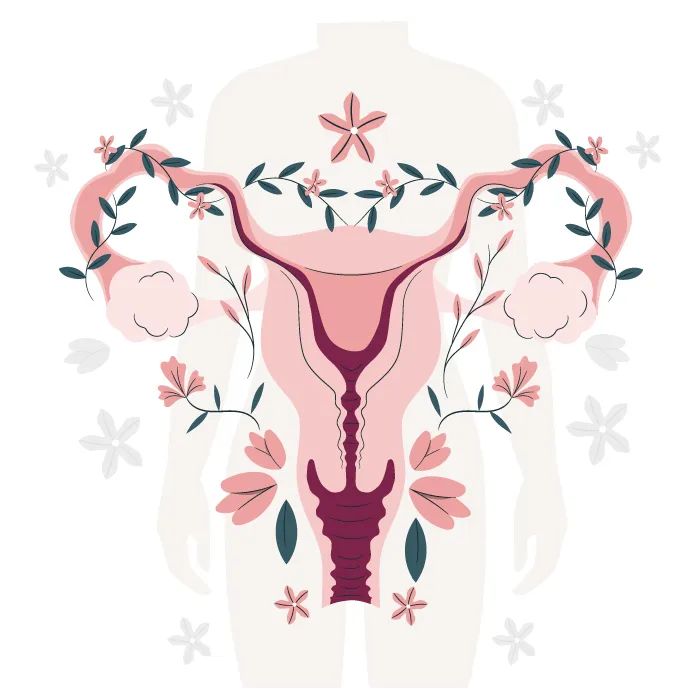
Women’s pelvic health refers to the proper functioning of the muscles, organs, and connective tissues located in the pelvic region. This area supports essential bodily functions such as bladder and bowel control, reproductive health, and core stability. Because of unique life stages like menstruation, pregnancy, childbirth, and menopause, women’s pelvic health requires special attention throughout life.
When women’s pelvic health is strong and balanced, it supports comfort, confidence, and overall physical well-being. When it is weakened or disrupted, it can lead to symptoms such as leakage, pain, or pressure.
Understanding the Female Pelvic Floor
The pelvic floor is a group of muscles and ligaments that form a supportive base at the bottom of the pelvis. In women, these muscles support:
- The bladder
- The uterus
- The bowel
They also play a key role in:
- Controlling urine and bowel movements
- Supporting posture and core stability
- Enhancing sexual function
- Supporting pregnancy and childbirth
Healthy pelvic floor muscles are strong, flexible, and able to relax and contract properly.
Why Women’s Pelvic Health Is Important
Women’s pelvic health is closely linked to many aspects of daily life and long-term wellness. Strong pelvic muscles help:
- Prevent urinary leakage
- Reduce pelvic pain and pressure
- Support reproductive health
- Improve physical comfort during movement
- Enhance confidence and quality of life
When pelvic health is neglected, issues can develop gradually over time.
Common Women’s Pelvic Health Issues
Several conditions can affect pelvic health in women:
Urinary Incontinence
This includes involuntary urine leakage, often caused by weakened pelvic muscles or hormonal changes.
Pelvic Organ Prolapse
This occurs when pelvic organs shift downward due to weak support structures.
Pelvic Pain
Chronic discomfort in the pelvic region may be caused by muscle tension, injury, or medical conditions.
Postpartum Weakness
After childbirth, pelvic muscles may become stretched or weakened.
Menopausal Changes
Hormonal changes during menopause can reduce muscle tone and tissue elasticity.
Causes of Pelvic Floor Weakness in Women
Several factors can contribute to pelvic floor dysfunction:
- Pregnancy and childbirth
- Aging and hormonal changes
- Chronic constipation
- Heavy lifting or physical strain
- Lack of exercise or core strength
- Pelvic surgery or injury
Often, multiple factors combine over time.
How to Improve Women’s Pelvic Health
Improving pelvic health involves a combination of exercises, lifestyle changes, and sometimes medical support.
Pelvic Floor Exercises
Exercises like Kegels help strengthen and tone pelvic muscles by contracting and relaxing them regularly.
Core Strengthening
Strengthening abdominal and back muscles improves overall pelvic support.
Proper Posture
Good posture reduces unnecessary pressure on the pelvic floor.
Healthy Lifestyle Habits
Maintaining a healthy weight, staying active, and avoiding chronic straining all support pelvic health.
Role of Pelvic Floor Therapy
Pelvic floor therapy is a specialized treatment that helps women improve muscle function through:
- Guided exercises
- Manual therapy
- Biofeedback training
- Breathing techniques
- Personalized rehabilitation plans
It is especially helpful for women experiencing persistent symptoms.
Pelvic Health During Different Life Stages
Women experience pelvic health changes throughout life:
Adolescence
Hormonal changes begin to influence pelvic tissues and muscle tone.
Pregnancy and Postpartum
Significant strain is placed on pelvic muscles, requiring recovery and strengthening.
Midlife
Changes in activity level, childbirth history, and lifestyle may affect pelvic strength.
Menopause
Reduced estrogen levels can impact muscle and tissue strength.
Daily Habits for Better Pelvic Health
Simple daily habits can make a big difference:
- Avoid holding urine for long periods
- Stay hydrated with balanced fluid intake
- Practice regular pelvic floor exercises
- Maintain healthy bowel habits
- Stay physically active
- Avoid excessive straining during lifting
Consistency is key to long-term improvement.
When to Seek Professional Help
Women should consider seeing a healthcare provider if they experience:
- Frequent urine leakage
- Pelvic pressure or heaviness
- Persistent pelvic pain
- Difficulty controlling bladder or bowel function
- Discomfort during physical activity or intimacy
Early treatment can prevent symptoms from worsening.
Final Thoughts
Women’s pelvic health is a vital part of overall well-being that affects comfort, confidence, and daily function. Through awareness, exercise, and proper care, most pelvic health issues can be improved or managed effectively.
By supporting pelvic strength at every stage of life, women can maintain better bladder control, core stability, and long-term physical health.
