


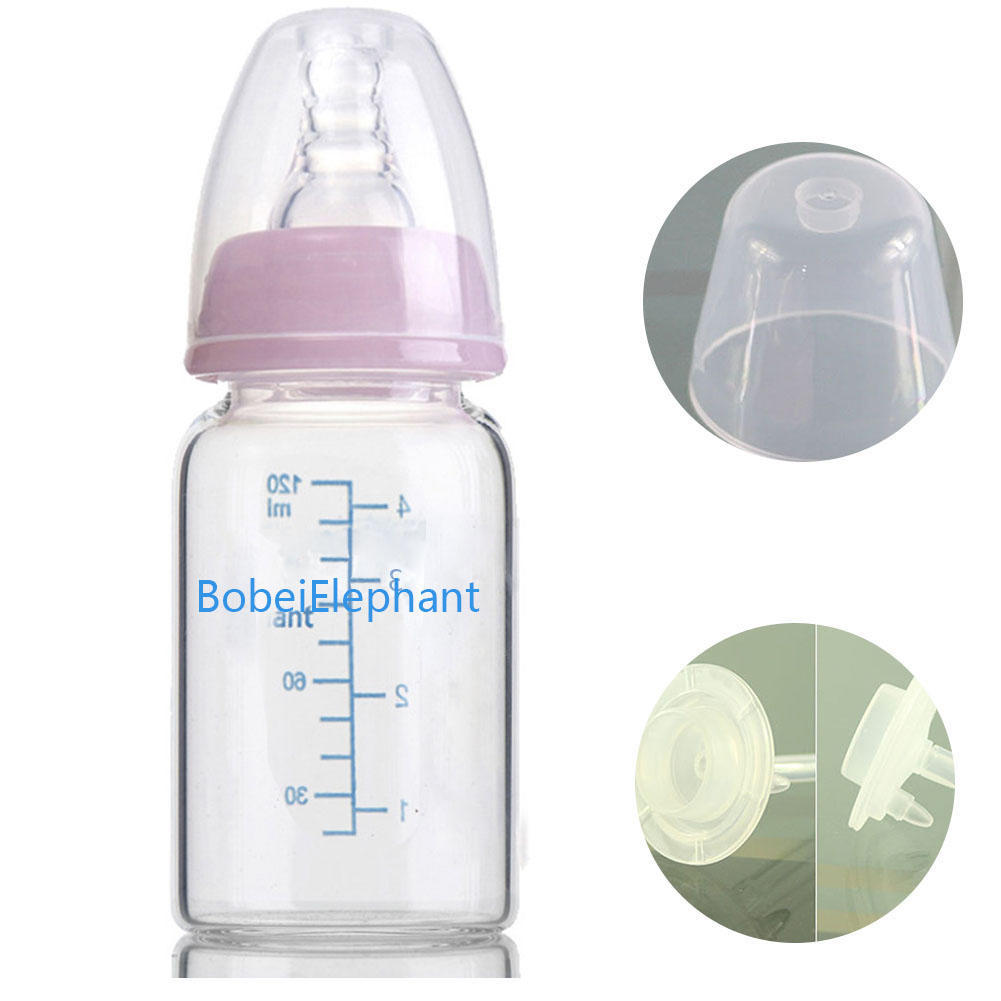
In recent years, parents have become increasingly conscious about the materials used in baby feeding products. Among the many options available, glass bottles are making a strong comeback. Concerns about chemical exposure, sustainability, and long-term health safety have all contributed to this shift. This is exactly why Why infant glass bottles Are Becoming the Preferred Choice for Safe Feeding is a topic gaining attention among new and expecting parents.
The Rising Demand for Safer Baby Feeding Options
Modern parenting emphasizes safety and transparency. Many caregivers are now reading product labels more carefully and avoiding materials that may contain harmful chemicals such as BPA, PVC, or phthalates.
Plastic bottles, while lightweight and affordable, have raised concerns about chemical leaching—especially when heated. This has encouraged many families to explore alternatives.
This growing awareness is a key reason behind Why Infant Glass Bottles Are Becoming the Preferred Choice for Safe Feeding, as glass is widely considered a more stable and non-toxic material.
What Makes Glass Bottles a Safer Choice?
One of the biggest advantages of glass bottles is their chemical-free composition. Unlike some plastics, glass does not release harmful substances when exposed to heat or repeated sterilization.
1. No Chemical Leaching
Glass remains chemically stable even under high temperatures. This makes it ideal for boiling, sterilizing, and warming milk safely.
2. High Heat Resistance
Parents often need to sterilize feeding bottles frequently. Glass can withstand high heat without degrading or releasing toxins.
3. Odor and Stain Resistance
Unlike plastic, glass does not retain milk odor or discolor over time. This ensures a cleaner and more hygienic feeding experience.
These benefits clearly explain Why Infant Glass Bottles Are Becoming the Preferred Choice for Safe Feeding among health-conscious parents.
Durability and Modern Design Improvements
A common misconception is that glass bottles are fragile and impractical for babies. However, modern manufacturing has significantly improved their durability.
Today’s infant glass bottles are often made from tempered or borosilicate glass, which is much stronger and more resistant to breakage than traditional glass. Many also come with silicone sleeves that provide grip and extra protection against drops.
This evolution in design has played a major role in Why Infant Glass Bottles Are Becoming the Preferred Choice for Safe Feeding, especially for parents who want both safety and practicality.
Environmental Benefits of Choosing Glass
Beyond personal health, environmental impact is another major consideration for modern families.
Glass bottles are:
- Reusable for long periods
- Fully recyclable
- Free from microplastic pollution
Plastic waste is a growing global concern, and many parents are choosing products that reduce their environmental footprint. This sustainability factor is another reason behind Why Infant Glass Bottles Are Becoming the Preferred Choice for Safe Feeding.
Cost vs. Long-Term Value
While glass bottles may have a higher upfront cost compared to plastic ones, they often provide better long-term value.
Plastic bottles tend to wear out, discolor, or absorb odors, requiring frequent replacement. Glass bottles, on the other hand, maintain their quality for a longer time if handled properly.
When viewed as a long-term investment in both health and durability, it becomes clear Why Infant Glass Bottles Are Becoming the Preferred Choice for Safe Feeding for many families.
Addressing Safety Concerns
Despite their benefits, some parents still worry about breakage. However, manufacturers have introduced several safety features:
- Silicone protective sleeves
- Shock-resistant borosilicate glass
- Ergonomic shapes for better grip
These improvements significantly reduce the risk of accidents. With proper handling, glass bottles are just as practical as plastic ones in daily use.
This reassurance further strengthens Why Infant Glass Bottles Are Becoming the Preferred Choice for Safe Feeding in today’s parenting landscape.
Hygiene and Easy Cleaning
Hygiene is a top priority when it comes to infant feeding. Glass bottles offer a major advantage because they are easier to clean thoroughly.
They can be:
- Sterilized in boiling water
- Washed in dishwashers
- Cleaned without risk of surface damage
Unlike plastic, glass does not develop micro-scratches where bacteria can hide. This makes feeding safer and more hygienic overall.
Conclusion
The shift toward glass feeding bottles is not just a trend—it is a reflection of growing awareness about health, safety, and environmental responsibility. From chemical-free materials to improved durability and easy cleaning, glass offers multiple advantages for modern parents.
Ultimately, Why Infant Glass Bottles Are Becoming the Preferred Choice for Safe Feeding comes down to one simple idea: parents want the safest, cleanest, and most reliable option for their babies. And for many, glass bottles are proving to be exactly that.
