


Introduction
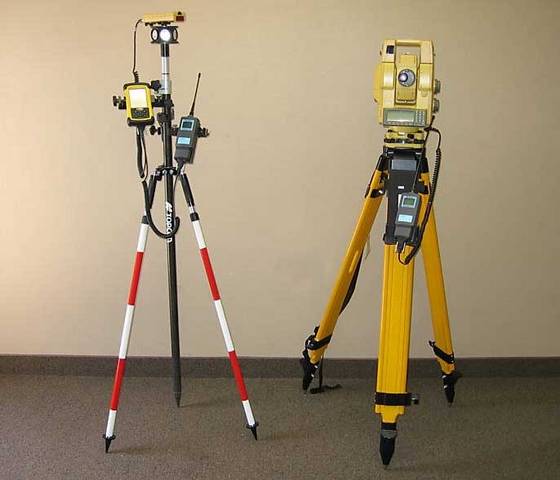
Modern surveying and construction practices have evolved rapidly with the adoption of advanced digital tools. One of the most impactful innovations in this space is the robotic total station, a highly precise instrument used for measuring angles and distances with minimal human intervention. These systems have significantly improved accuracy, efficiency, and productivity across multiple sectors.
In this article, we will explore the Top Industries That Rely on Robotic Total Stations and understand how these industries use this technology to streamline operations, reduce errors, and improve project outcomes.
Construction Industry
The construction sector is one of the primary users of robotic total stations. From high-rise buildings to bridges and highways, precision is essential at every stage of a project.
Robotic total stations help construction teams with:
- Site layout and setting out points
- Structural alignment and verification
- Real-time progress monitoring
- Reducing manual surveying errors
By automating many traditional surveying tasks, construction companies save time and reduce costly rework. This makes construction a leading example in the Top Industries That Rely on Robotic Total Stations.
Civil Engineering and Infrastructure Development
Civil engineering projects such as roads, tunnels, dams, and railways require extreme precision over large distances. Robotic total stations allow engineers to maintain accuracy even in complex terrains.
Key applications include:
- Road alignment and grading
- Tunnel excavation monitoring
- Bridge construction alignment
- Large-scale topographic surveys
Because infrastructure projects often span years and require continuous measurement updates, civil engineering stands out among the Top Industries That Rely on Robotic Total Stations for long-term surveying efficiency.
Mining Industry
The mining industry depends heavily on accurate spatial data for both surface and underground operations. Robotic total stations are used to improve safety and optimize extraction processes.
They are commonly used for:
- Mapping excavation areas
- Monitoring slope stability
- Tracking material movement
- Planning drilling operations
In hazardous environments where manual surveying is risky, robotic systems reduce human exposure while maintaining high precision. This makes mining another critical sector in the list of Top Industries That Rely on Robotic Total Stations.
Oil and Gas Industry
The oil and gas industry often operates in remote and challenging environments, where precision and reliability are crucial. Robotic total stations are widely used in plant construction, pipeline installation, and facility maintenance.
Applications include:
- Pipeline route surveying
- Refinery construction layout
- Equipment alignment
- Structural deformation monitoring
Given the high cost of errors in this sector, automation and precision tools are essential. This further reinforces its place among the Top Industries That Rely on Robotic Total Stations.
Transportation and Railways
Transportation infrastructure, especially railways and airports, requires exact alignment and continuous monitoring to ensure safety and efficiency.
Robotic total stations are used for:
- Railway track alignment
- Airport runway construction
- Bridge and overpass surveying
- Maintenance inspections
Because even small deviations can lead to major safety issues, transportation engineering heavily depends on robotic surveying systems.
Smart Cities and Urban Planning
With the rise of smart cities, urban planners are increasingly using digital tools for mapping and designing efficient city layouts. Robotic total stations support these efforts by providing highly accurate geospatial data.
They assist in:
- Urban mapping and GIS data collection
- Utility network planning
- Smart infrastructure development
- Land parcel identification
This integration of surveying technology with digital urban planning shows how robotics is shaping the future of cities.
Conclusion
The use of robotic total stations has transformed multiple industries by improving accuracy, efficiency, and safety in surveying tasks. From construction sites to mining operations and smart city development, these tools are now indispensable.
As we have seen throughout this discussion on the Top Industries That Rely on Robotic Total Station, their applications continue to expand as technology advances. Industries that adopt these systems early are better positioned to reduce costs, improve precision, and complete projects more efficiently in an increasingly competitive world.
