


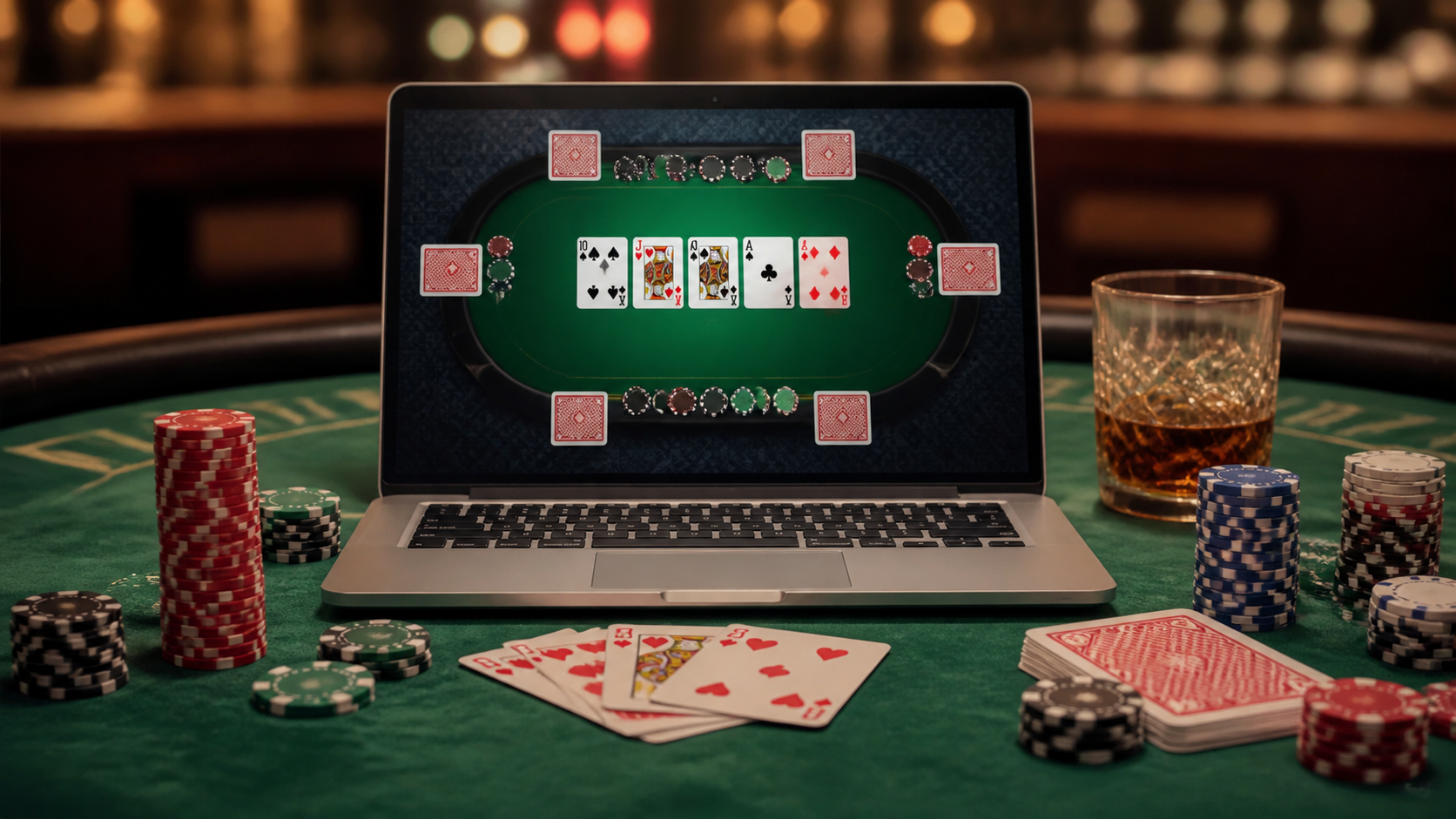
An online poker table can feel familiar and new at the same time. The basic goal is still to make the best hand or persuade others to fold, but the pace, layout, and decision-making feel different when the game is played through a screen. For many players, that mix is part of the appeal: the rules are recognizable, yet every session brings a different rhythm, table dynamic, and level of attention.
If you are approaching a poker game online for the first time, it helps to think beyond the cards themselves. Table selection, betting pace, account setup, and game format can all affect the experience. A thoughtful approach tends to matter more than luck alone, especially when the goal is to enjoy the game responsibly and make better decisions over time.
How Online Poker Differs From Live Play
The core rules of poker remain the same online, but the setting changes how players act and react. In a live room, people often rely on body language, table talk, and the physical rhythm of betting. Online, those clues are limited or absent, which puts more weight on timing, betting patterns, and the information shown on the screen.
That shift can make online play faster and more focused. Hands move quickly, multiple tables may be available, and decisions often need to be made without long pauses. For some players, this creates a cleaner strategic environment. For others, it takes time to adjust because the game feels less social and less forgiving of hesitation.
Pace and attention
Online poker usually moves at a brisk pace, so concentration matters. Missing a turn, misreading the action, or skipping a table detail can change the outcome of a hand. Players who do well online often develop habits that support steady attention, such as watching bet sizing carefully and avoiding distractions while a session is in progress.
Information available on screen
In a digital format, the interface gives clear access to pot size, seat position, betting history, and card information. This can be helpful, but it also means players need to understand the layout. A cluttered screen or a poorly read table can make simple decisions harder than they need to be.
Choosing the Right Game Format
Not every poker format suits every player. Some versions reward patience and deep strategy, while others are shorter and more action-oriented. The right choice depends on how much time a player wants to spend, how comfortable they are with variance, and whether they prefer cautious or aggressive styles.
Before sitting down, it is worth considering what kind of experience you want from the session. A game that looks simple on the surface may involve very different levels of risk and decision density once it starts. Choosing a format that matches your comfort level can make the experience more enjoyable and easier to manage.
Cash games and tournament play
Cash games are often more flexible because players can join and leave according to their schedule. They tend to suit those who want a steadier pace and a clearer sense of chip value. Tournaments, by contrast, usually create more pressure as blinds rise and stacks change relative to the field. That pressure can be exciting, but it also demands patience and careful timing.
Table size and stake level
Table size affects how many hands you see and how much information you can gather about other players. Smaller tables often mean more action and more frequent involvement, while larger tables can encourage a more selective style. Stake level also matters, since it should reflect a player’s comfort and overall budget rather than the urge to chase a bigger result.
- Choose a format that fits your available time.
- Pick table sizes that match your preferred pace.
- Start with stakes you can handle comfortably.
- Consider how much focus the game demands.
Strategy Basics That Still Matter Online
Strong online play does not depend on memorizing complicated theory from the start. The fundamentals remain important: position, hand selection, bet sizing, and discipline. Players who build around those basics usually have a steadier foundation than those who try to force dramatic moves too early.
One useful mindset is to treat each hand as part of a larger pattern rather than a separate event. A single win or loss rarely tells the full story. Over time, good decisions tend to matter more than short-term results, which is why calm, structured play is often more effective than emotional reactions.
Position and hand selection
Position still carries real value in online poker because acting later in a hand gives you more information. That information can help you avoid unnecessary risk and choose more sensible bets. Hand selection is equally important. Not every starting hand deserves action, and avoiding marginal spots can protect your stack in the long run.
Bet sizing and pot control
Bet sizing sends signals, shapes the pot, and influences how opponents respond. Online, where players can study patterns more easily, consistent sizing can help keep your decisions clear. Pot control is also useful when the hand feels uncertain. Building a large pot without a strong reason can create pressure that is hard to manage later in the hand.
Bankroll, Time, and Responsible Play
Good poker habits include more than card strategy. Managing money and time responsibly is part of playing well, especially online where games are available at any hour. It can be tempting to keep going after a loss or to move up too quickly, but those choices often create more stress than value.
A sensible approach is to decide in advance how much time and money you want to commit before the session begins. That decision can help keep the game enjoyable and prevent emotional play. If a session stops being fun or starts feeling forced, it is usually better to step away than to keep pressing forward.
- Set a budget before you begin playing.
- Decide how long your session should last.
- Avoid changing stakes impulsively after a bad hand.
- Take breaks when focus starts to drift.
- Keep poker separate from money meant for everyday needs.
Building Better Habits Over Time
Online poker rewards consistency. Players do not need to perfect every decision immediately, but they do benefit from developing habits that make each session more structured. Reviewing hands, noticing recurring mistakes, and paying attention to emotional triggers can all improve decision-making over time.
It can also help to think in terms of process rather than outcome. Winning a hand does not always mean the decision was right, and losing a hand does not always mean the decision was poor. That perspective supports a more balanced approach and reduces the urge to judge every session by a single result.
Review what happened after the session
A quick review can reveal useful patterns. Maybe certain hands are being played too loosely, or maybe pressure is causing overly cautious folds in late position. Even a simple note-taking habit can help players recognize when they are drifting away from their plan.
Know when to stop
One of the most practical skills in online poker is knowing when a session is no longer productive. Fatigue, frustration, and distraction can all weaken judgment. Stopping at the right time is not a lack of discipline; it is often part of disciplined play.
Conclusion: A Smarter Way to Approach Online Poker
Online poker is most rewarding when players treat it as a skill-based game that benefits from patience, attention, and self-control. The digital format changes the pace and removes some live-table cues, but it also gives players a clear structure to work with. That structure makes discipline especially important.
By choosing the right format, keeping strategy fundamentals in mind, and managing time and bankroll responsibly, players can create a more stable and enjoyable experience. A poker session tends to go better when the goal is steady decision-making rather than instant results, and that perspective is useful no matter how often you play.
