


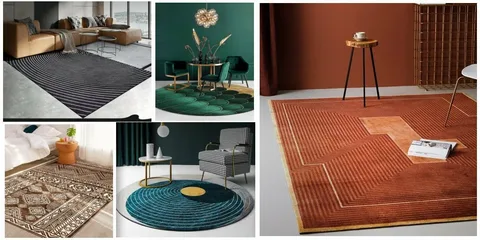
You walk into a room. The furniture looks great. The wall color is perfect. The lighting is just right. Yet, something feels missing. The space feels flat, almost two-dimensional. It lacks that cozy, lived-in quality that makes a house feel like a home.
The missing ingredient is usually texture.
Designers know that texture and depth turn a basic room into a sophisticated space. While you can add texture with pillows or throws, nothing anchors a room quite like a rug. A well-chosen rug does more than cover the floor; it builds a foundation for the entire room’s aesthetic.
Whether you are in Delhi visiting a showroom or looking to buy rugs online, understanding how to use floor coverings to build layers is essential. At The Ambiente, we believe a rug determines the atmosphere of a living space. With roots in Bhadohi and over 30 years of manufacturing expertise, we see firsthand how the right piece changes everything.
What Are Texture and Depth in Design?
Before you shop, it helps to understand what these terms actually mean in the context of your home.
Texture refers to the surface quality of a material. It is how something feels to the touch (tactile texture) or how it looks like it feels (visual texture). A sleek leather sofa reads as smooth and cool. A chunky wool knit throw reads as warm and soft. A room with only smooth surfaces—glass, metal, polished wood—can feel sterile.
Depth is the sense of layering in a room. It prevents the eye from getting bored. You create depth by mixing different materials, colors, and patterns so that the room feels multidimensional.
Modern rugs are the most effective tool for introducing both elements simultaneously. They provide a large surface area of texture that instantly breaks up the monotony of hardwood or tiled floors.
How Materials Define Texture
The material you choose dictates the vibe of the room. Different fibers interact with light and touch in unique ways.
Wool
Wool is the standard for premium carpets for a reason. It absorbs light rather than reflecting it, which creates a soft, matte finish. A hand-knotted wool rug adds immediate warmth and a sense of sturdiness to a room. It feels substantial underfoot.
Silk and Bamboo Silk
If you want contrast against matte furniture, silk is the answer. Silk fibers reflect light, creating a subtle sheen. This adds a layer of sophistication. The pile changes color slightly depending on the angle you look at it, which adds automatic movement and visual interest to the floor.
Jute and Sisal
For a grounded, organic feel, natural fibers like jute work best. They are rougher and have a distinct, nubby weave. These are perfect for layering. Placing a smaller, softer rug on top of a large jute rug is a classic designer trick to double the texture in a room.
The Weave Matters
It isn’t just the fiber; it is how the artisans construct it.
- High Pile: Shaggy or plush rugs physically rise off the floor. They catch shadows and light, creating a deep, cozy landscape.
- Flatweave Rugs: These sit flush with the floor. They offer a cleaner, more geometric look but still break up the smooth expanse of flooring.
Using Pattern and Color for Visual Depth
Texture is physical, but depth is often an optical illusion. You can trick the eye into seeing more space or more complexity through smart design choices.
The Power of Pattern
A solid-colored rug is safe, but a patterned rug creates a focal point. Geometric patterns common in modern rugs guide the eye across the room. Organic, abstract patterns can soften the sharp lines of modern furniture.
When a rug features a variation in color—even slight shifts in tone—it hides crumbs and lint, but it also stops the floor from looking like a solid block. This variation gives the room life.
Color Temperature
Cool colors (blues, greens, grays) generally recede, making a small room feel larger. Warm colors (reds, oranges, browns) advance, making a large room feel more intimate. By placing a rug with deep, rich tones under a light-colored coffee table, you create instant separation and depth.
Spotlight on Modern Rug Designs
At The Ambiente, we blend heritage with current trends. Our design atelier in Bhadohi innovates with textures to create pieces that fit contemporary Indian homes.
Modern design doesn’t mean just minimalist or plain. Today, modern rugs often feature:
- High-Low Piles: Artisans shear the rug at different heights. The pattern is literally carved into the rug, creating a 3D effect you can feel.
- Mixed Materials: Weaving wool and silk together creates a contrast between matte and shine within a single rug.
- Abstract Art: Many modern pieces look like paintings for your floor, using splashes of color to create fluidity.
Our founders, Avani and Ayush, work with a network of 4,000 women weavers to bring these designs to life. This ensures every piece has a human touch—a subtle imperfection and character that machines simply cannot replicate.
Choosing the Right Rug for Your Space
Selecting the right piece can feel overwhelming. Here is a straightforward guide to getting it right.
Size is Critical
A rug that is too small makes the room look disjointed and cheap.
- Living Room Rugs: The front legs of your sofa and chairs should sit on the rug. This anchors the furniture together.
- Dining Room Rugs: The rug should extend at least 24 inches beyond the table on all sides so chairs don’t catch when you pull them out.
Contrast Your Floors
Look at your existing flooring. If you have dark wood floors, a lighter rug will pop and show off the texture. If you have light tiles, a darker or richly colored rug will ground the space.
Trust Your Style
Do not just follow a trend. Buy rugs online that speak to you. If you prefer clean lines, look for geometric flatweaves. If you want luxury, look for hand-knotted wool and silk blends.
If you are unsure, The Ambiente offers consultation services. We help you match the rug to your specific room conditions and lifestyle.
Caring for Your Rug
Premium carpets are an investment. With the right care, a hand-knotted rug lasts for generations.
- Vacuum Correctly: Dirt acts like sandpaper, cutting the fibers at the base. Vacuum regularly, but turn off the beater bar (the rotating brush) to protect the pile.
- Rotate Often: Foot traffic and sunlight wear down rugs unevenly. Rotate your rug 180 degrees every six months to ensure it ages gracefully.
- Spot Clean Immediately: If you spill something, blot it. Never rub. Rubbing pushes the stain deeper into the fibers and damages the structure of the weave.
- Use a Pad: A rug pad prevents slipping, but it also adds an extra layer of cushion and prevents the rug from flattening out too quickly.
Final Thoughts
A room without texture is a room without a soul. By adding a high-quality rug, you introduce warmth, comfort, and visual interest that paint and furniture alone cannot achieve.
Whether you need a statement piece for your living room or a subtle runner for the hallway, the right rug finishes the story of your home.
Browse the collection at The Ambiente to see how handmade craftsmanship meets modern design. Visit our flagship store on Mehrauli-Gurgaon Road in Delhi, or browse our website to find the perfect piece for your space.
