


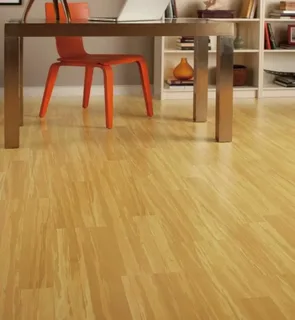
As more people become conscious of their environmental impact, sustainable living practices are gaining momentum. One significant aspect of eco-conscious homes is the choice of flooring. Among the many options available, eco-friendly wood flooring options for sustainable living have become increasingly popular. These choices not only add natural beauty to your space but also support environmental preservation and reduce your carbon footprint.
Why Choose Eco-Friendly Wood Flooring?
Wood flooring has long been favored for its durability, warmth, and timeless appeal. However, traditional wood flooring can sometimes contribute to deforestation and environmental degradation. By opting for eco-friendly wood flooring options for sustainable living, homeowners can enjoy the benefits of wood while minimizing harm to the planet.
Eco-friendly wood flooring typically involves materials sourced from responsibly managed forests, reclaimed wood, or wood that undergoes sustainable processing. These floors often use non-toxic finishes and adhesives, ensuring healthier indoor air quality.
Popular Eco-Friendly Wood Flooring Options
1. Bamboo Flooring
Despite technically being a grass, bamboo is one of the most sustainable flooring materials available. It grows rapidly—some species mature in just three to five years—making it a renewable resource. Bamboo flooring is durable, easy to maintain, and offers a sleek, modern look, making it a top choice for those seeking eco-friendly wood flooring options for sustainable living.
2. Reclaimed Wood Flooring
Reclaimed wood comes from salvaged sources like old barns, factories, and warehouses. Using reclaimed wood not only prevents new trees from being cut down but also adds unique character and history to your home. This option is a fantastic way to incorporate eco-friendly wood flooring options for sustainable living while embracing a rustic or vintage aesthetic.
3. Cork Flooring
Cork is harvested from the bark of cork oak trees without harming the tree itself, allowing the bark to regenerate. This renewable harvesting process makes cork an environmentally friendly flooring option. Additionally, cork provides natural insulation and is soft underfoot, which adds comfort and energy efficiency to your living space.
Considerations When Choosing Sustainable Wood Flooring
When selecting any wood flooring for sustainable living, it’s essential to look for certifications such as the Forest Stewardship Council (FSC) label. This ensures that the wood comes from responsibly managed forests. Additionally, consider finishes and adhesives that are low in volatile organic compounds (VOCs) to maintain healthy indoor air quality.
Conclusion
Incorporating eco-friendly wood flooring options for sustainable living is a smart way to combine style, durability, and environmental responsibility. Whether you choose bamboo, reclaimed wood, or cork, these flooring solutions help reduce your ecological footprint while creating a beautiful, warm home environment. Making conscious choices in flooring is a meaningful step toward sustainable living and a healthier planet.
