


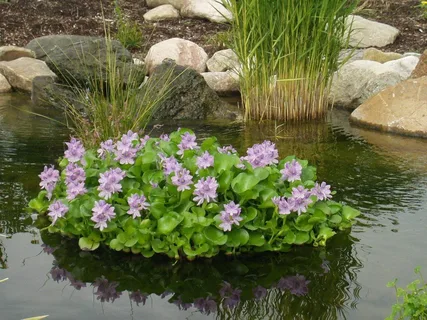
Pond plants can transform an ordinary water feature into a vibrant and attractive part of the garden. They provide natural beauty, texture, and habitat for aquatic wildlife while contributing to a balanced pond environment. However, choosing healthy, suitable plants is essential for long-term success. If you plan to Buy Pond Plants Online: Tips for Selecting Quality Aquatic Plants, there are several important factors to consider before placing your order.
Why Quality Matters When Buying Pond Plants
Healthy aquatic plants are more likely to establish quickly and adapt successfully to their new environment. Poor-quality plants may arrive damaged, weak, or unsuitable for your pond conditions.
Quality plants should have healthy foliage, strong roots, and no obvious signs of disease or pest damage. Choosing from a specialist supplier can also give you access to detailed information about planting depths and growing requirements.
Understand the Different Types of Pond Plants
Before you Buy Pond Plants Online: Tips for Selecting Quality Aquatic Plants, learn about the main categories of aquatic plants and their individual purposes.
Oxygenating Plants
Oxygenating plants grow beneath the surface and can contribute to a healthier aquatic environment. They are useful for creating underwater habitats and supporting pond life.
Floating Plants
Floating plants sit on the water surface and can provide shade and shelter. Their foliage can also add an interesting visual element to your pond.
Marginal Plants
Marginal varieties grow in shallow water around the pond edges. They are ideal for adding colour, height, and texture while creating a natural transition between water and garden.
Water Lilies
Water lilies are popular choices for ornamental ponds. Their floating leaves and flowers can create an attractive focal point. Make sure the variety you select matches the depth and size of your pond.
Check Plant Health Before Ordering
When shopping online, carefully review photographs and product descriptions. Look for plants described as established, healthy, and ready for planting.
Avoid purchasing plants that appear excessively damaged or have unclear descriptions. If available, customer reviews and supplier information can provide additional insight into plant quality and packaging.
Match Plants to Your Pond Conditions
Every pond has different growing conditions. Consider water depth, sunlight exposure, pond size, and available planting areas before making a purchase.
Some plants need several hours of direct sunlight, while others can tolerate partial shade. Similarly, large-growing varieties may not be appropriate for small ponds. Matching the plant to your environment can reduce maintenance and encourage healthier growth.
Choose a Reputable Online Supplier
A trustworthy aquatic plant supplier should provide clear information about each product. Look for details about mature size, planting depth, sunlight requirements, flowering period, and care instructions.
It is also helpful to check delivery policies. Aquatic plants require careful packaging to prevent damage during transportation. A supplier experienced in shipping live plants is more likely to provide suitable packaging and handling.
Consider Native and Pond-Friendly Varieties
Native pond plants can be an excellent choice for wildlife-focused gardens because they may fit naturally into the local environment. They can provide valuable habitat for insects and other pond visitors.
Avoid introducing invasive plant species. Always check whether a particular variety is appropriate and permitted in your region before purchasing.
Plan Before You Buy
Rather than purchasing plants based solely on appearance, create a simple planting plan. Decide which areas will contain marginal plants, where floating plants will sit, and how much underwater vegetation your pond requires.
A carefully planned combination can create visual balance while preventing plants from competing excessively for space.
Caring for Newly Purchased Pond Plants
After your plants arrive, inspect them and follow the supplier’s planting instructions. Place each variety at its recommended depth and provide suitable sunlight.
Remove damaged leaves when necessary and monitor growth during the first few weeks. Once established, regular pruning and occasional division can help prevent overcrowding.
Final Thoughts
Selecting the right aquatic plants can make a significant difference to the appearance and health of your garden pond. By checking plant quality, understanding different plant categories, and matching varieties to your pond’s conditions, you can make more informed purchases. When you Buy Pond Plants Online: Tips for Selecting Quality Aquatic Plants, choosing a reliable supplier and planning your planting arrangement carefully can help you enjoy a beautiful and thriving pond for years to come.
